If you are dreaming about buying on Sullivan’s Island, one big question usually comes up fast: do you want the charm of an older cottage or the ease of newer construction? It is an exciting choice, but it also comes with real tradeoffs that can affect your day-to-day life, renovation plans, and long-term costs. When you understand how the island’s history, floodplain rules, and design review process shape both options, you can shop with more confidence. Let’s dive in.
Why Sullivan’s Island feels different
Sullivan’s Island is a three-and-a-half-mile barrier island near Charleston Harbor with 3.5 miles of beachfront and a population of a little over 2,000 residents. Its commercial area is compact and centered on Middle Street, while much of the lifestyle centers around the beach, parks, trails, and outdoor spaces.
That matters when you are buying here. Sullivan’s Island tends to feel like a small coastal community rather than a place built around big retail convenience. If that beach-centered, walkable rhythm is what you want, the island can be a strong lifestyle fit.
Cottage charm on Sullivan’s Island
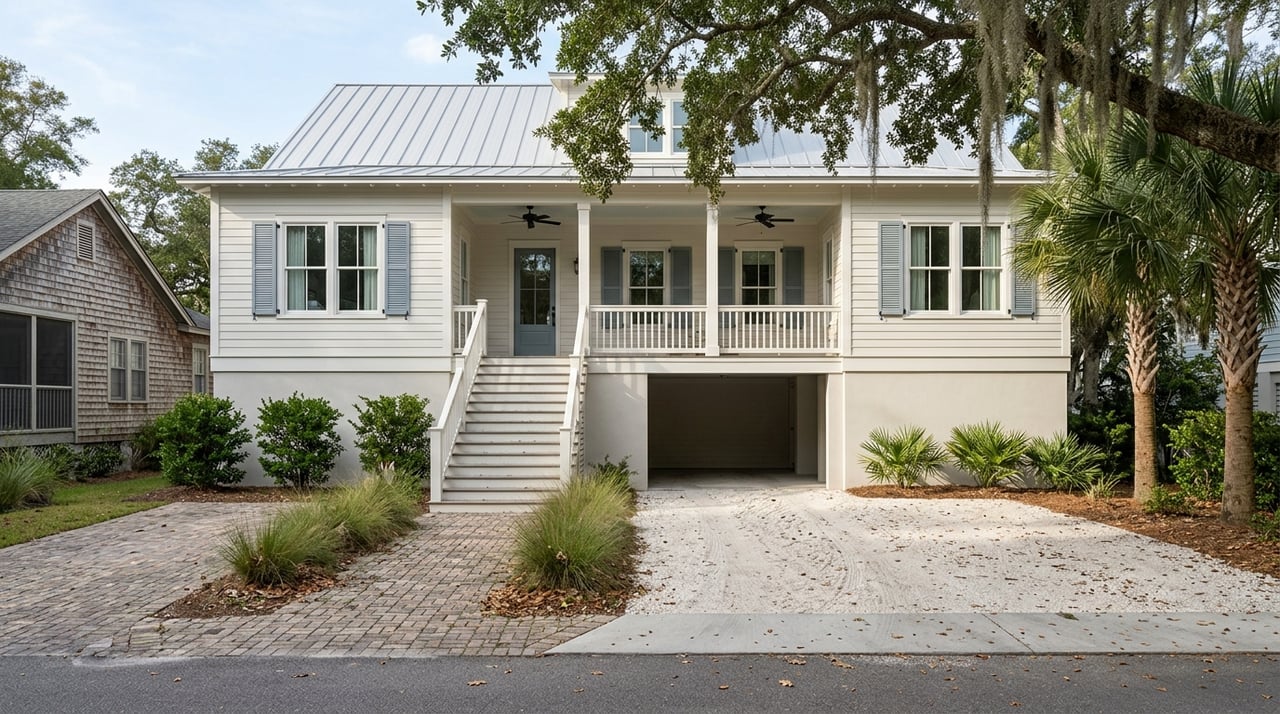
Older cottages are a big part of the island’s identity. Traditional island homes were often built as seasonal summer dwellings, usually with frame construction, porches designed to catch ocean breezes, lots of windows and doors for airflow, and raised pier foundations to help with high water and floods.
These homes often have a scale and presence that feels hard to replicate. You may see one-story front-porch cottages, one-and-one-half-story cottages with L-shaped porches, or larger vernacular homes that were later expanded with side or rear wings. If you are drawn to character, a softer historic feel, and a home that feels rooted in place, this style can be especially appealing.
What buyers often love about cottages
Older cottages often offer details that support the relaxed Lowcountry lifestyle many buyers want. Features like welcoming porches, breezy layouts, and a more intimate footprint can create a strong sense of place.
You may also appreciate how these homes sit within the island’s historic fabric. For many buyers, that connection to Sullivan’s Island’s architectural story is part of the value.
What to watch with older homes
Charm usually comes with more maintenance awareness. Because many of these homes rely on wood elements, porches, older windows, and flood-related systems, you will want to look closely at condition, upkeep, and any prior improvements.
It is also important to know that older cottages are more likely to fall within historic overlay districts or be treated as historic landmarks or traditional island resources. Sullivan’s Island has three local historic districts and four National Register districts, and exterior work may require review by the Design Review Board.
New construction on Sullivan’s Island
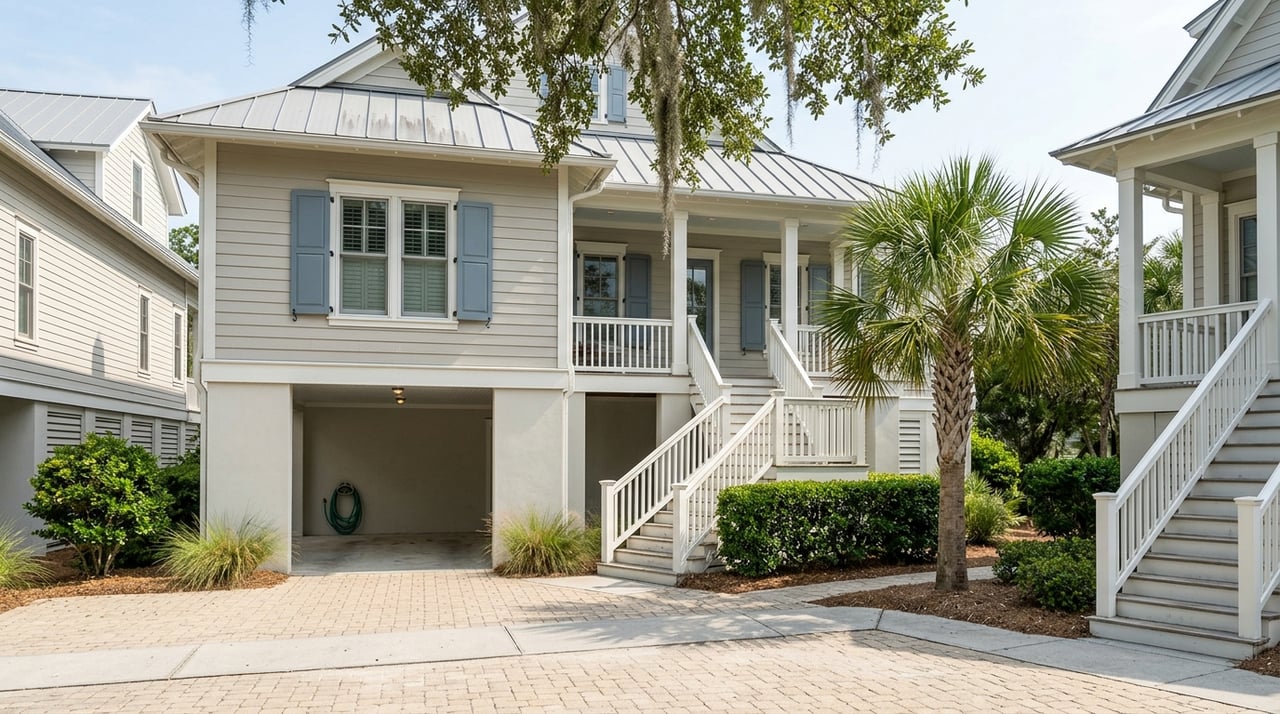
Newer homes on the island often appeal to buyers who want a more modern layout, larger scale, and fewer inherited quirks. After Hurricane Hugo, some smaller traditional homes were replaced by larger modern houses, while many historic homes were also remodeled, expanded, elevated, or rebuilt.
In practical terms, new construction is often the path for buyers who want more square footage, updated systems, and outdoor living areas that reflect today’s preferences. If you are looking for open gathering spaces, a newer structural profile, or a home built around current coastal living patterns, this option may feel more straightforward.
What buyers often like about newer homes
Newer construction can offer a cleaner starting point. You may have less deferred maintenance to inherit, and the layout may better match how you live today, especially if you want larger entertaining areas or more defined indoor-outdoor flow.
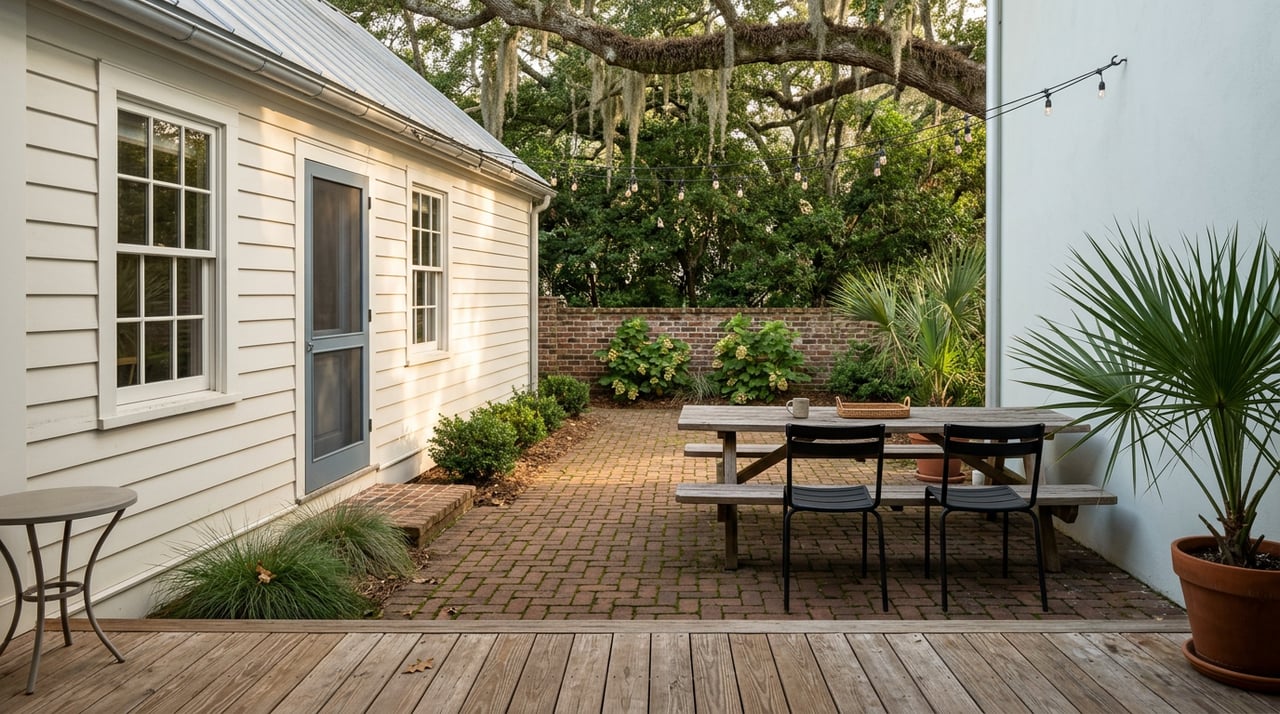
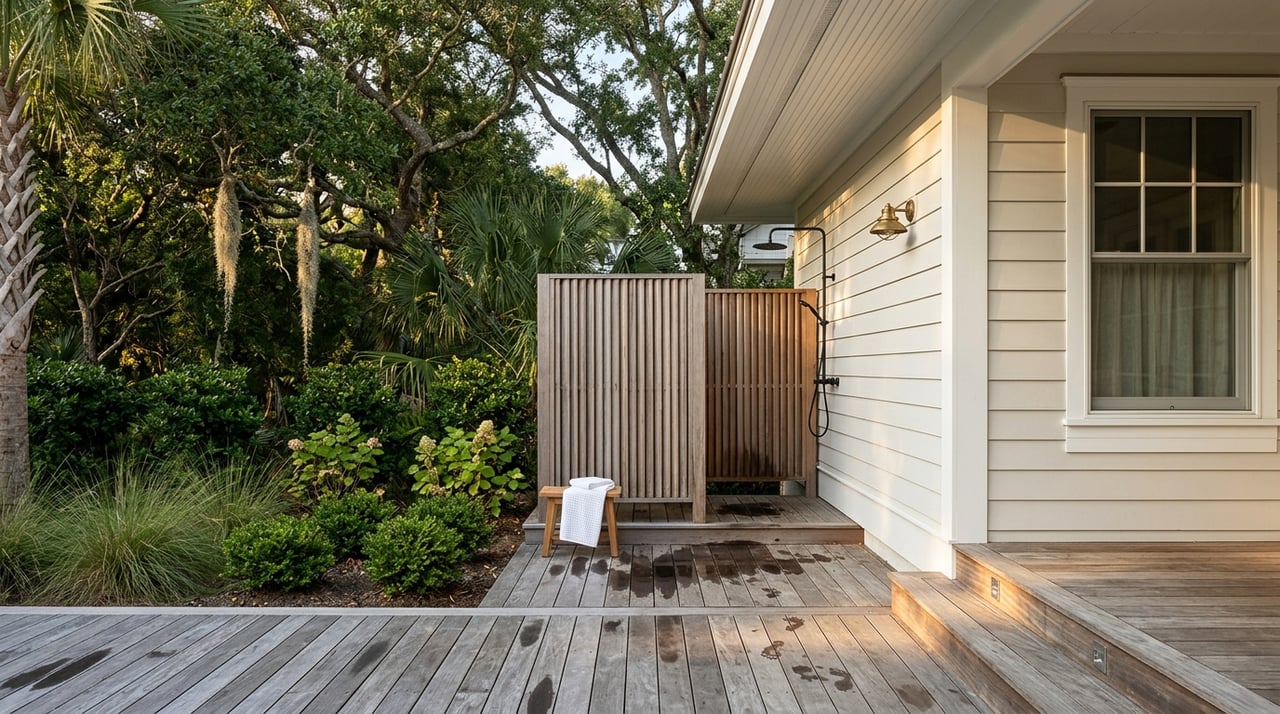
Outdoor spaces can also feel more intentional. The town’s updated design guidelines explicitly address landscaping, new construction and additions, fences and walls, and site features such as pools, pergolas, driveways, walkways, and trees.
What new construction does not remove
A newer home does not mean you can ignore local rules. The Design Review Board reviews and approves designs for new construction and renovations in residential and commercial districts, and the Building Department requires permits for repairs, improvements, demolition, renovation, construction, and related inspections.
That means a new home still exists within a highly managed island environment. Even if you prefer a newer property, you should still evaluate what has been approved, what may be restricted, and what future changes could require town review.
The real tradeoff: character or function
For many buyers, the choice comes down to historic scale and character versus newer function and space. A cottage may deliver the front porch feel, traditional lines, and architectural texture that make island living feel special.
A newer home may deliver a layout that is easier for hosting, remote work, multigenerational visits, or second-home use. Neither option is automatically better. The right choice depends on how you want to live on Sullivan’s Island and how much flexibility you want for future updates.
Flood risk matters for every buyer
The biggest practical issue on Sullivan’s Island is flood risk. The town states that the entire island is in a Special Flood Hazard Area, and it maintains elevation certificates for new and substantially improved structures.
If a home has a mortgage, flood insurance through the National Flood Insurance Program is required. This is not just a line item to gloss over. Flood exposure can affect insurance costs, renovation decisions, and what may be possible with the property over time.
Why flood history matters before you buy
The Building Department specifically advises buyers and agents to contact the Building Official before purchasing a property. Prior permits or flood history can affect what can be done later.
This is one of the most important due diligence steps on the island. Before you fall in love with a porch or a floor plan, make sure you understand the property-specific floodplain and permit story.
Outdoor living comes with rules
Outdoor living is part of the draw on Sullivan’s Island, but it is also regulated. The town is a Tree City USA community, encourages preservation of the urban forest, and regulates tree trimming and removal.
If landscaping privacy, fences, or major yard changes matter to you, ask detailed questions early. The draft design guidelines note that front-yard fences in historic districts are typically low, and barriers like hedge lines that block historic view corridors are generally not appropriate.
Lifestyle fit is part of the decision
There is more to this choice than the house itself. Sullivan’s Island offers public beach access points around the island, ADA access at several stations, public parking in the right of way, and a trail system connecting the beach, Fort Moultrie, and the Charleston Light.
If you want a quieter, beach-centered setting with easy access to shoreline and outdoor recreation, that can be a major plus. If you prefer broad daily convenience close at hand, it is worth remembering that the island’s business district is compact and service-oriented, so many errands and services may still tie back to the greater Charleston area.
Smart due diligence before you choose
Whether you lean toward a cottage or new construction, your decision should go beyond finishes and square footage. On Sullivan’s Island, the details behind the property matter just as much as the look and feel.
Here are a few smart questions to ask during your search:
- Is the property in a historic overlay district or subject to Design Review Board oversight?
- What permits have been pulled for past work?
- Is there an elevation certificate available?
- What is the property’s flood history?
- What future exterior changes might require town review?
- Are there tree, fence, or landscaping restrictions that could affect your plans?
- Does the home’s layout match how you want to use the property year-round or seasonally?
How to decide which path fits you
If you value original character, a smaller-scale island feel, and architectural history, an older cottage may be the better fit. If you value updated systems, larger living spaces, and a more contemporary setup, new construction may better support your goals.
The key is to match the property to your lifestyle and your tolerance for upkeep, regulation, and future project planning. On Sullivan’s Island, both paths can be rewarding when you go in with clear expectations.
When you are ready to compare cottage charm against newer construction with a local, practical lens, Sarah Ellen Lacke can help you evaluate the lifestyle fit, floodplain considerations, and property details that matter most.
FAQs
What is the main difference between cottages and new construction on Sullivan’s Island?
- Older cottages typically offer historic character, porches, and a more intimate scale, while newer construction often offers larger layouts, updated systems, and more contemporary function.
What should buyers know about flood risk on Sullivan’s Island?
- The entire island is in a Special Flood Hazard Area, and homes with a mortgage are required to carry flood insurance through the NFIP.
What is the Design Review Board’s role for Sullivan’s Island homes?
- The Design Review Board reviews and approves designs for new construction and renovations, and exterior work on some older or historic properties may also require review.
What should buyers ask before purchasing an older Sullivan’s Island cottage?
- Ask about historic district status, prior permits, flood history, elevation details, maintenance of wood elements and porches, and what future changes may require review.
What lifestyle should buyers expect on Sullivan’s Island?
- Buyers can expect a small coastal community feel with beach access, parks, trails, and a compact commercial district rather than a large retail-centered environment.