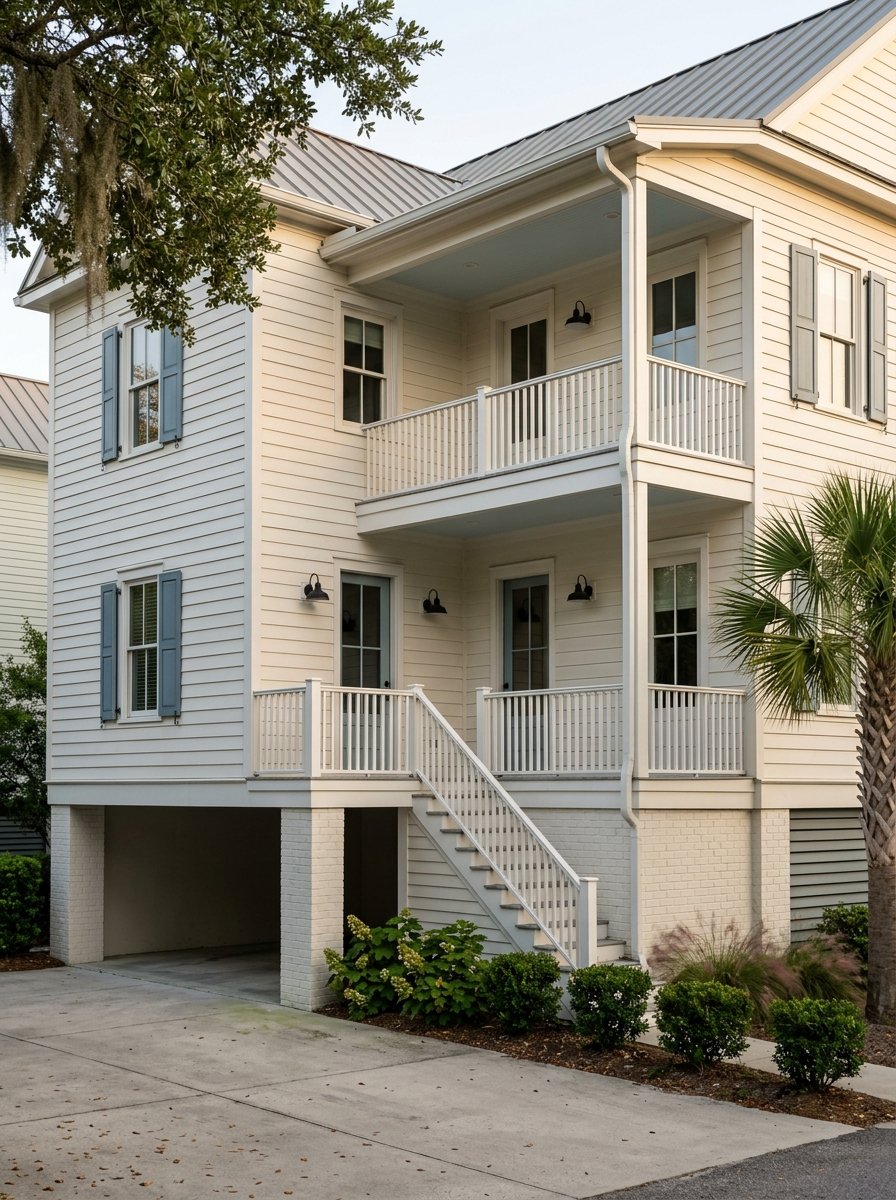
Trying to choose between a Folly Beach cottage and a condo? That decision can shape everything from your monthly costs to your rental options to how much upkeep lands on your plate. If you are buying a primary home, second home, or beach getaway, it helps to understand how each ownership style works before you fall in love with a property. Let’s break down the real differences so you can decide what fits your goals on Folly Beach.
Folly Beach ownership starts with structure
At first glance, a cottage and a condo may seem like a simple style choice. In reality, they are two different ownership models with different rules, responsibilities, and financial considerations.
In South Carolina, condo ownership means you own a specific unit plus a shared interest in the common elements of the property. That structure is created through a recorded master deed and governed by recorded bylaws, which address administration, maintenance, and shared expenses. A cottage, by contrast, is the detached-home option in this comparison, which usually gives you more direct control over the structure and site.
That difference matters right away. With a condo, you are buying into a shared-governance setup. With a cottage, you are typically taking on more individual control and more individual responsibility.
Why condos feel more hands-off
For many buyers, the biggest appeal of a condo is convenience. The association often coordinates exterior maintenance and common-area work, which can make ownership feel simpler, especially if you do not live on Folly Beach full-time.
Condo fees may cover items like building exteriors, common areas, insurance, utilities, and reserves. Those dues are usually paid directly to the association rather than through your monthly mortgage payment, so it is important to budget for them separately.
That can be a strong fit if you want a lower-maintenance beach property. If your goal is to spend more time enjoying Folly and less time managing exterior repairs, a condo may feel easier to own.
Condo convenience comes with shared decisions
The tradeoff is that condo ownership is never purely individual. You are part of a larger project, and the condition and management of that project can affect your costs and financing options.
Lenders may review the condo project’s physical condition, financial stability, insurance, litigation, and unresolved critical repairs. If there are major issues, owners may feel the impact through reserve contributions or special assessments. That is why reviewing the association’s financials, insurance scope, and rules is such an important part of condo due diligence.
Why cottages offer more autonomy
If you like the idea of having more control, a cottage often feels more straightforward. You usually have more direct authority over the home and site, without the same level of shared governance that comes with a condo regime.
That can appeal to buyers who want a more traditional house-like ownership experience. You may have more flexibility in how you maintain the property and how you approach long-term ownership decisions, subject to local rules and any property-specific restrictions.
The flip side is responsibility. With a detached cottage, more of the upkeep and repair burden typically falls on you.
Folly Beach adds extra maintenance realities
On Folly Beach, maintenance is not just about routine wear and tear. The city states that the entire city is in a flood hazard area, that flood insurance is separate from standard homeowners insurance, and that Folly Beach participates in the National Flood Insurance Program.
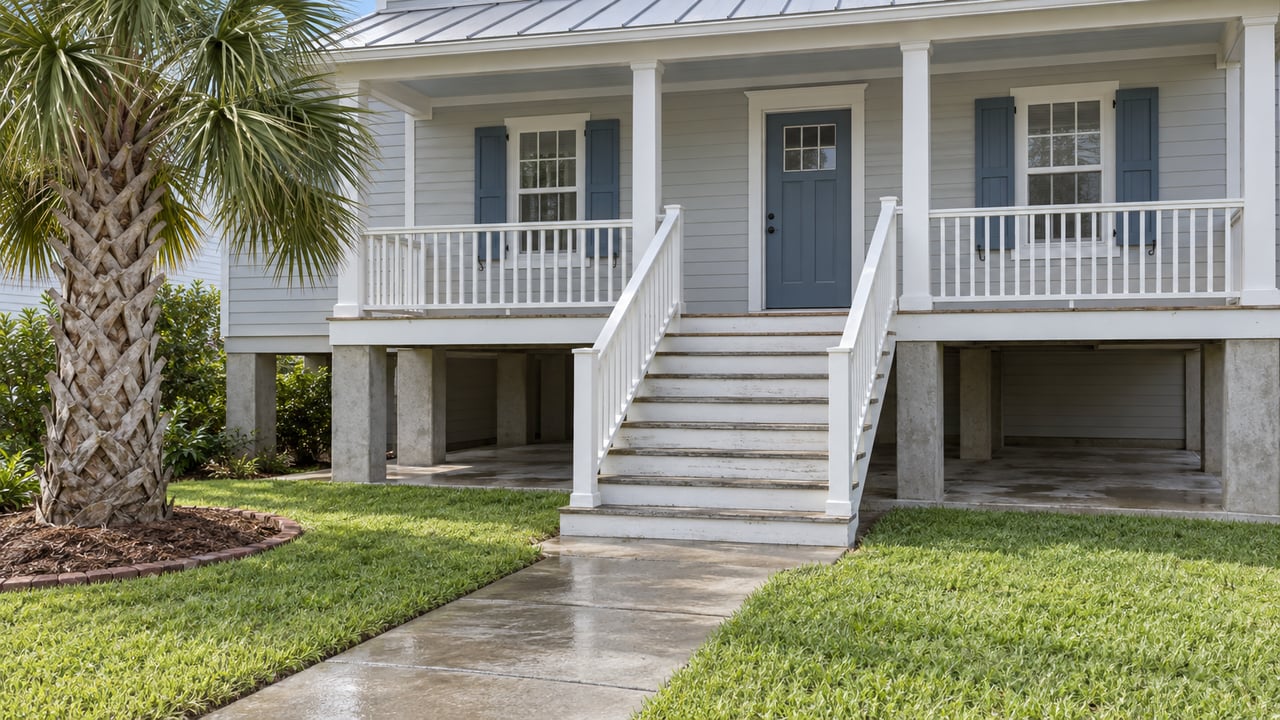
The city also says it enforces V-zone standards throughout Folly Beach, even in A zones. For cottage buyers, that means hazard exposure and property upkeep deserve close attention from the start. If you are considering a detached home, you will want to understand insurance, elevation, site conditions, and ongoing maintenance needs before you commit.
Rental goals can change the answer fast
If you hope to earn rental income, Folly Beach’s short-term rental rules can quickly become one of the biggest deciding factors. In many cases, your preferred ownership style matters less than whether the property is actually workable under the city’s rules and any private governing documents.
The city says short-term rental owners must maintain a current business license, comply with registration requirements, and pay local, county, and state taxes. Renewals are annual, the property must be rented at least 28 days per year to keep the license, and the license does not transfer to a new owner.
One more key point stands out. The city currently says no new investor short-term rental licenses are projected to be available for the next business license year.
Owner-occupied and investor rentals are treated differently
Folly Beach separates owner-occupied short-term rentals from investor short-term rentals. Owner-occupied short-term rentals are tied to the 4% legal-residence tax rate and can lose that status if the property is rented for more than 72 days in a year.
Investor short-term rentals are tied to the 6% tax rate, and the city’s FAQ says they do not have a total-night cap. If rental use is part of your plan, these distinctions deserve careful review because they can affect both your tax treatment and how you use the property.
Parking and site rules matter more than buyers expect
Short-term rental use on Folly Beach also comes with practical site requirements. The city requires one on-site parking space per rented bedroom unless an exception applies, including for new and renewed permits in a multi-family housing development.
The city also states that all parts of any septic system must be protected from parking. In addition, individual rooms cannot be rented under separate short-term contracts at the same time.
These details can affect cottages and condos differently. In practice, a detached cottage may face tighter parking or septic limitations, while some condo projects may benefit from the multi-family parking exception depending on the project setup and governing documents.
Condo buyers need deeper document review
Because condo ownership includes private shared governance, your review process should go beyond the unit itself. South Carolina condo law allows master deeds and bylaws to include lease limits, and co-owners must comply with those rules.
That means a condo buyer on Folly Beach needs to verify two separate layers of rules. First, the property must fit the city’s short-term rental requirements if rental use is allowed. Second, the condo association’s own documents must permit the use you want.
Key condo questions to ask
Before you buy a condo, it helps to ask questions like these:
- What do the monthly dues cover?
- Are there healthy reserve funds?
- Are there any current or upcoming special assessments?
- Does the association restrict leasing or short-term rentals?
- What does the master insurance policy cover?
- Has the project had unresolved repair, insurance, or litigation issues?
These answers can affect affordability, financing, and your day-to-day ownership experience.
Cottage buyers should focus on total carrying costs
A cottage may give you more independence, but you will want a clear picture of the full cost of ownership. That includes not just your mortgage, but also flood insurance, maintenance, repairs, and any site-specific concerns tied to a coastal property.
For second-home buyers and primary-home buyers alike, property tax treatment can also matter. South Carolina’s 4% legal-residence assessment applies to a primary home, and the county assessor handles the application process. On Folly Beach, that status is also tied to the city’s owner-occupied short-term rental category.
If you are comparing a cottage to a condo, look beyond the list price. The smarter comparison is your total monthly and annual carrying cost, plus the time and effort you expect to put into ownership.
Which Folly Beach ownership style fits you?
A condo is often the better fit if you want a lower-maintenance property and feel comfortable with shared governance, HOA dues, and project-level financing review. It can be especially appealing if you want a simpler lock-and-leave setup for part-time use.
A cottage is often the better fit if you want more autonomy and a more house-like ownership experience. It may suit buyers who value direct control and are prepared for the maintenance, insurance, and site responsibilities that come with a detached home on Folly Beach.
The best choice depends on how you plan to use the property. If your goals include personal use, future rental income, tax considerations, or easier long-distance ownership, those priorities should lead the conversation.
Buying on Folly Beach is rarely just about square footage. It is about choosing the ownership structure that matches your lifestyle, risk tolerance, and long-term plans. If you want help weighing condos against cottages, Sarah Ellen Lacke can help you sort through the details and narrow in on the right fit.
FAQs
What is the main ownership difference between a Folly Beach condo and cottage?
- A condo typically means owning a unit plus a shared interest in common elements governed by a master deed and bylaws, while a cottage is generally the detached-home option with more direct owner control over the structure and site.
Are Folly Beach condos easier to maintain than cottages?
- Often, yes. Condo associations usually coordinate exterior and common-area maintenance, while cottage owners typically handle more of the repair and upkeep burden themselves.
Do Folly Beach condos have extra monthly costs?
- Yes. Condo owners usually pay association dues directly, and those fees may cover items like exterior maintenance, common areas, insurance, utilities, and reserves.
Can you use a Folly Beach condo or cottage as a short-term rental?
- Possibly, but you must check Folly Beach licensing rules and, for condos, the association’s governing documents too because both can limit rental use.
What are the flood considerations for Folly Beach cottages?
- Folly Beach states that the entire city is in a flood hazard area, flood insurance is separate from standard homeowners insurance, and V-zone standards are enforced throughout the city.
Why is condo financing different on Folly Beach?
- Condo financing can be more project-sensitive because lenders may review the project’s condition, finances, insurance, litigation, and repair issues before approving the loan.
How does Folly Beach treat owner-occupied and investor short-term rentals?
- The city distinguishes between them: owner-occupied short-term rentals are tied to the 4% legal-residence tax rate and can lose that status if rented more than 72 days per year, while investor short-term rentals are tied to the 6% rate.