If your idea of Lowcountry living includes early morning runs to the creek, sunset cruises, or weekend fishing trips, James Island can be a smart place to look. But here is the catch: water access on James Island is not one-size-fits-all. The right setup depends on how you actually use your boat, how often you want to be on the water, and how much convenience and upkeep you want to take on. Let’s dive in.
Why water access means different things
On James Island, water access often comes down to fit, not just whether a home sits near the water. Some residents use shared or community docks, some trailer to public launches, and others keep their boats at nearby marinas while using home as their everyday base.
That difference matters in real life. A short walk to a shared dock feels very different from loading a trailer and waiting at a busy public landing. It also changes your costs, maintenance responsibilities, and how easy it is to get out on the water on a casual Tuesday evening.
Main water access options
Community and shared docks
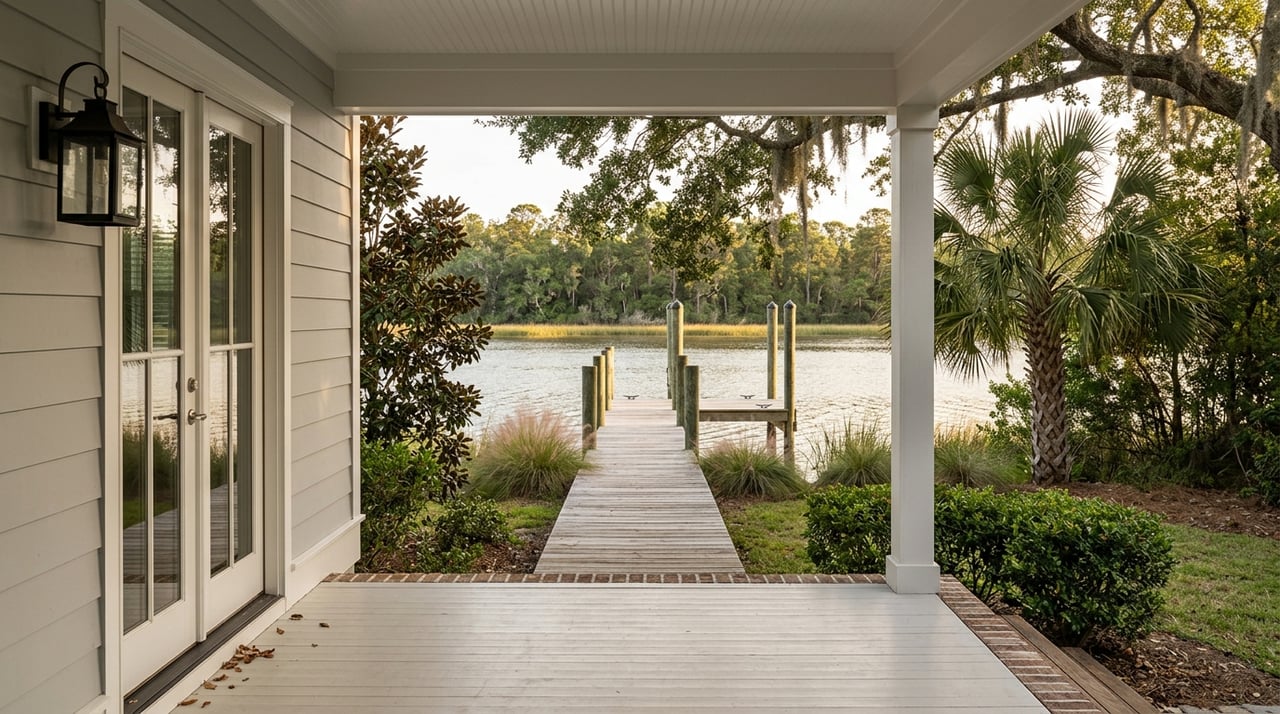
Some James Island properties offer access through a shared dock or community dock rather than a private one. South Carolina’s coastal permitting system recognizes joint-use and community docks, and the state regulates these along with other major critical-area activities such as marinas and boat ramps through its critical area permitting process.
If you are considering this type of property, the main question is not just whether a dock exists. It is whether your right to use it is clearly documented. You will want to confirm whether access is deeded, tied to an easement, controlled by an HOA, or subject to other restrictions.
Public boat landings
Public launches can be a great fit if you do not need to keep your boat at home. Charleston County says its boat landings are open year-round, self-managed, and not staffed at all times. The county also notes that tides, currents, and low-tide drop-offs can affect how these landings function on a given day, as outlined in its landing guidance for Lowcountry waterways.
On James Island, Charleston County identifies Battery Island/Sol Legare and Riverland Terrace as high-traffic landings. Their listed addresses are 2599 Sol Legare Road and 3 Plymouth Avenue, and both can see heavy use, especially on weekends and holidays, according to the county’s boat landing information.
Park-based access
If your boating life is more about paddling, crabbing, or casual time on the water, park access may be enough. James Island County Park offers a tidal-creek dock, saltwater fishing and crabbing, and kayak and stand-up paddleboard rentals.
Another county-managed example is Brantley Park, which provides dock-based access on a tributary of Ellis Creek. These spots can work well if you want regular water access without the added cost or responsibility of a private or shared dock.
Nearby marinas
Sometimes the best answer is not on your property at all. If a home gives you the location and lifestyle you want but not the right dock setup, a nearby marina can fill the gap.
The Charleston Maritime Center is a deep-water, full-service marina downtown that can accommodate boats up to 120 feet and has no overpass or bridge restriction. The Harborage at Ashley Marina offers about 230 slips plus fuel, pump-out, bathrooms, laundry, a security gate, and condominium-style governance, according to The Harborage at Ashley Marina. Ripley Light Marina is also part of the nearby option set, with drystack access to Charleston Harbor, Wappoo Creek, the Ashley River, and the Stono and Kiawah river system.
How to match access to your boat life
If you boat often
If you want to get on the water several times a week, convenience usually matters most. A shared dock or marina slip may make more sense than relying on a public launch, especially during peak weekends.
In this case, think beyond the listing photos. Ask yourself how quickly you can actually leave the house, reach the boat, and get underway.
If you trailer your boat
A public landing may be perfectly workable if you are comfortable trailering and launching. But on James Island, launch logistics matter. High-traffic ramps can mean wait times, and county guidance makes clear that tides and low-water conditions can affect usability.
This setup often works best for buyers who boat by plan rather than on impulse. If you enjoy organized fishing trips or weekend outings, public access may check the box at a lower cost.
If you paddle or fish casually
Not every buyer needs a full boating setup. If your ideal day looks more like kayaking, crabbing, or casting a line from a dock, park access may offer the best balance of simplicity and lifestyle.
James Island County Park is especially relevant here because it combines dock access with rentals and fishing opportunities. The park also notes that a South Carolina saltwater fishing license is required to fish tidal creeks, which is useful to know if fishing is part of your plan.
What to verify before you buy
Confirm legal access
Visual proximity to the water is not the same as legal water access. If a property is marketed with dock rights or boat access, make sure those rights are supported by deeds, HOA documents, easements, and permit records.
This matters because South Carolina’s permitting framework requires certain deed restrictions affecting dock size or placement to appear on site plans, as explained in the state’s dock master plan guidance. In other words, paperwork matters as much as waterfront views.
Review maintenance and fees
Shared docks and marina slips often come with ongoing costs. Those may include dues, assessments, or shared maintenance responsibilities.
For example, The Harborage at Ashley Marina is governed by a condominium association that requires quarterly owner contributions. If you are comparing homes with different access types, those recurring costs should be part of the conversation.
Think about tides and boat fit
Your boat’s size, draft, and launch style need to match the access available. A setup that works well for a smaller center console or kayak may not be ideal for a larger vessel.
That is especially important on James Island, where county resources point to tidal-creek access and warn about low-tide drop-offs at public landings. Before you fall in love with a property, make sure the water access fits how you actually boat.
Look at flooding and drainage
Water access and flood planning go together. The City of Charleston’s WaterWise and floodplain resources focus on tides, storm surge, sea-level rise, stormwater, and flood preparedness, and the city notes that some James Island drainage basins experience significant flooding.
That does not mean you should avoid the area. It does mean you should ask informed questions about flood zones, drainage patterns, and insurance as part of your property review.
A smart James Island approach
The best James Island property for your boat life may not be the one with the most obvious waterfront label. It may be the home with manageable maintenance, a clear right to use the dock, a realistic launch routine, or easy access to a marina that fits your vessel and schedule.
That is why it helps to look at the whole picture instead of just frontage. When you match your home to your actual routine, you are much more likely to enjoy the lifestyle you came for.
If you are weighing different water-access setups on James Island, Sarah Ellen Lacke can help you compare the practical details and find the right fit for the way you want to live on the water.
FAQs
What kinds of water access are common on James Island?
- Buyers on James Island will usually see a mix of community or shared docks, public boat landings, park docks, and nearby marina options rather than one standard type of access.
Are James Island public boat landings busy?
- Yes. Charleston County identifies Battery Island/Sol Legare and Riverland Terrace as high-traffic landings, especially during busy boating times.
Can a James Island listing advertise dock access without guaranteed rights?
- Yes, which is why you should verify whether access is deeded, shared, easement-based, HOA-controlled, or otherwise restricted before you buy.
Is James Island County Park useful for paddlers and casual boaters?
- Yes. James Island County Park offers a tidal-creek dock, saltwater fishing and crabbing, and kayak and stand-up paddleboard rentals.
Do flooding and drainage matter when buying a James Island water-access home?
- Yes. The City of Charleston notes that some James Island drainage basins experience significant flooding, so flood zone, drainage, and insurance questions should be part of your review.