Wondering if Park Circle is the right place to buy your first Charleston-area home? You are not alone. For many first-time buyers, Park Circle stands out because it offers a neighborhood feel that is hard to fake: older homes, a real town center, and places you can actually walk to on an everyday basis. If you are trying to balance budget, commute, and lifestyle, this guide will help you see where Park Circle fits and where it may not. Let’s dive in.
What makes Park Circle different
Park Circle is in North Charleston, not on the downtown Charleston peninsula. That matters because it gives you a different kind of living experience, one shaped by its early 1900s planning as a garden community centered around a circular park.
The neighborhood has a hub-and-spoke street layout and a clear town-center identity. Instead of feeling like a standard suburban subdivision, Park Circle feels organized around a central gathering place and nearby commercial corridors. If you want a neighborhood with a strong sense of place, that is part of the appeal.
Why first-time buyers notice it
Many first-time buyers are looking for more than a house. You may also want convenience, character, and a location that helps you enjoy Charleston-area living without paying downtown or Mount Pleasant pricing.
Park Circle often enters the conversation for exactly that reason. Current market snapshots put the neighborhood around the mid-$500,000s, with median listing and sale prices near $592,000 to $595,000. In the same snapshot, that places it below Downtown Charleston and Mount Pleasant, but above West Ashley.
That pricing makes Park Circle a middle-ground option for buyers comparing lifestyle and cost. It is not the cheapest entry point, but it can offer a more built-in main-street experience than many outer-ring neighborhoods.
What homes in Park Circle look like
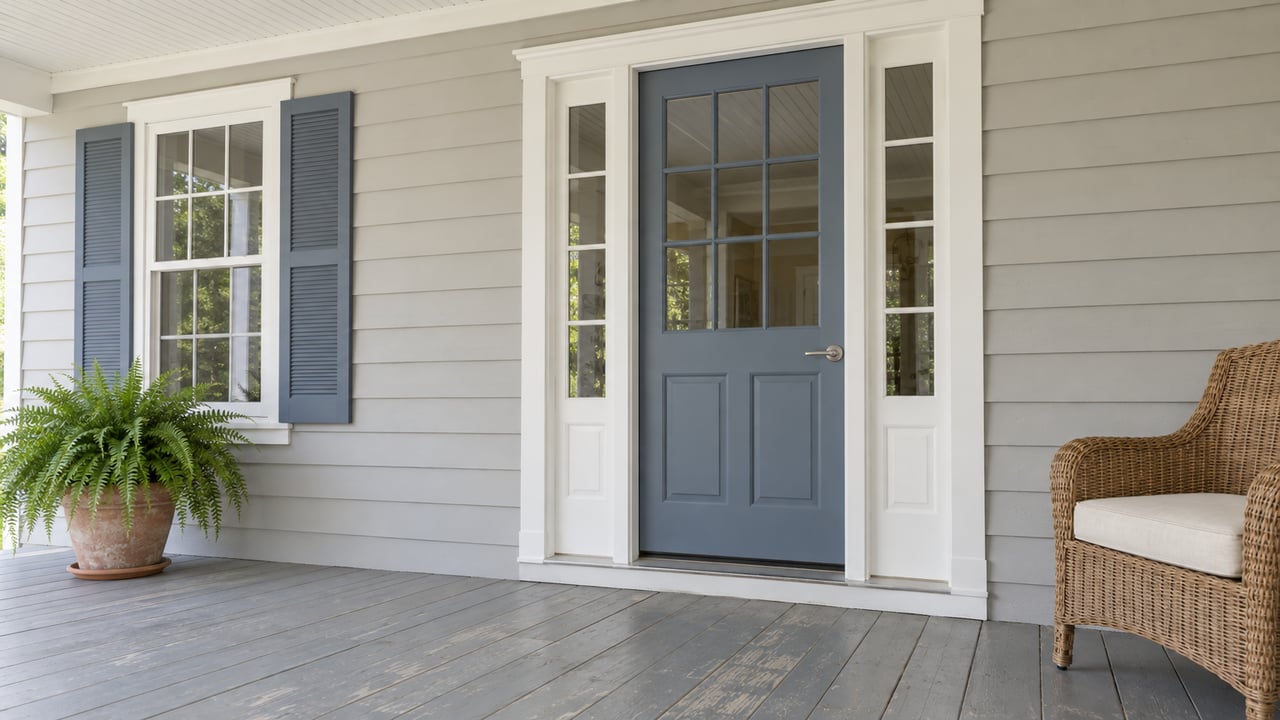
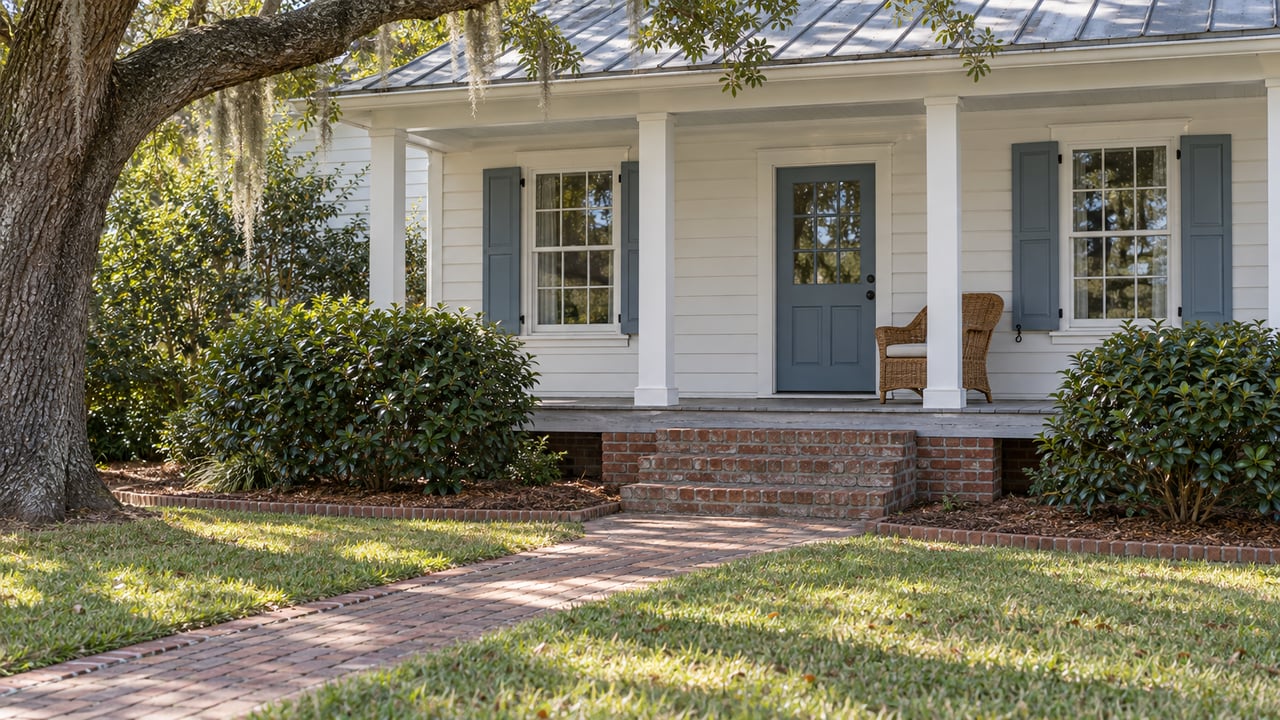
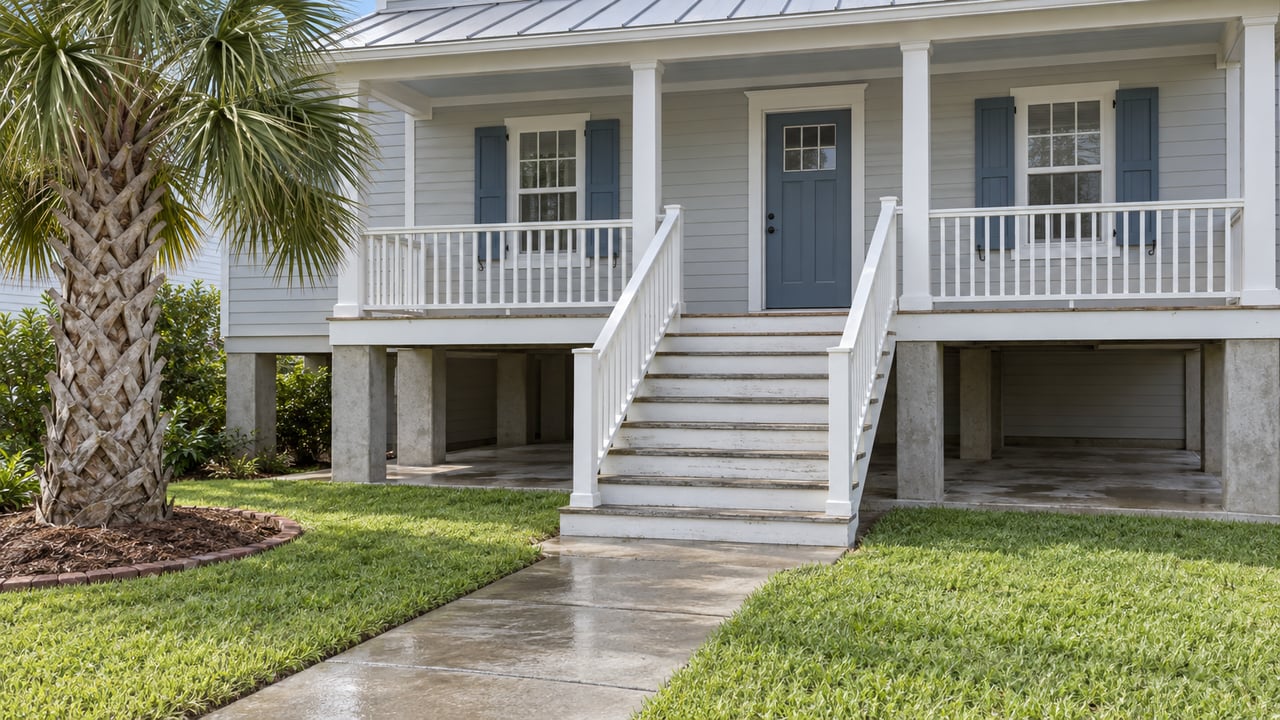
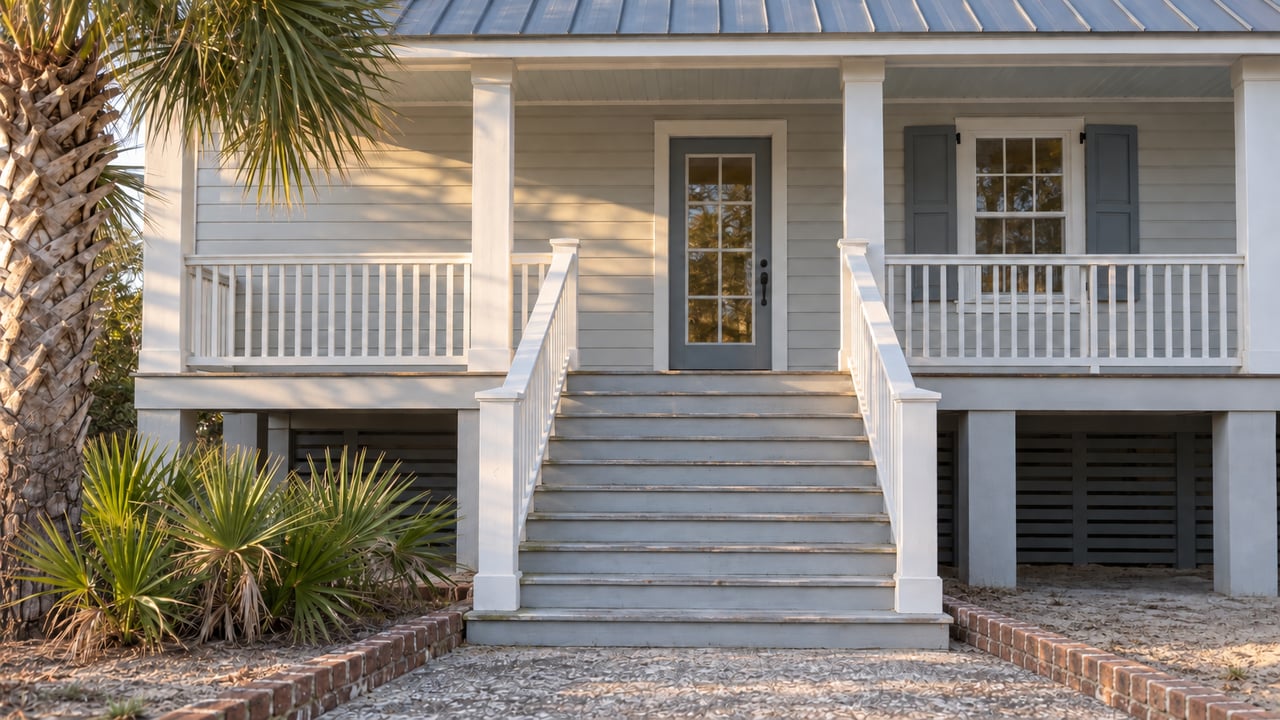
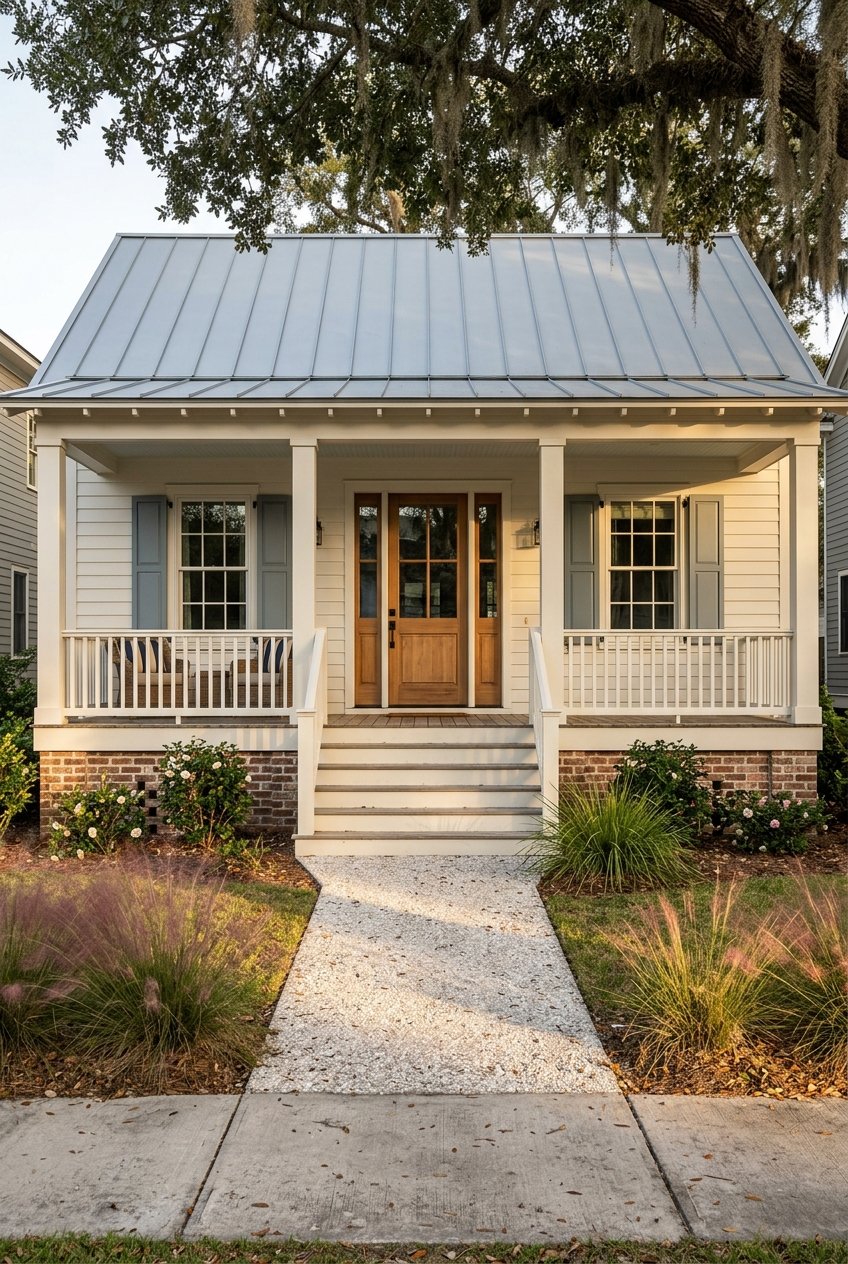
If you are hoping for a neighborhood with one uniform housing style, Park Circle may not be the best fit. The housing stock is mixed, with many homes built between 1915 and 1940, along with newer and proposed development since 2000.
In practical terms, you are likely to see bungalows, worker cottages, mid-century buildings, and newer infill. That variety can be a plus if you value charm and individuality, but it also means you need to look closely at layout, condition, updates, and lot use from one property to the next.
For a first-time buyer, this can create both opportunity and homework. You may find a home with character in a location you love, but you also need to be comfortable comparing very different types of properties in the same broader area.
Park Circle lifestyle and daily convenience
One of Park Circle’s strongest selling points is daily life. The neighborhood centers around East Montague Avenue and the Olde Village corridor, where you will find locally owned restaurants, sidewalk dining, shops, salons, a theatre, nightlife, and live music.
That setup gives Park Circle a walkable, social feel that many buyers want but do not always find in the Charleston area. If you like the idea of walking to coffee, meeting friends for dinner, or spending time in public spaces instead of driving everywhere, Park Circle checks an important box.
The park itself adds a lot to the experience. North Charleston says the inner circle now includes the world’s largest inclusive playground, a community building with art and rehearsal space, an inclusive baseball field, a farmers market pavilion, a nature garden, open green space, and walking trails.
Nearby Riverfront Park expands the options further with waterfront access, a boardwalk, historic naval-base landmarks, concerts, and year-round events. For many buyers, this is what makes Park Circle feel like more than just a place to sleep at night.
Commute and location benefits
For a lot of first-time buyers, commute is just as important as style. Park Circle has a strong location advantage if you work in North Charleston, downtown Charleston, or near the airport.
According to North Charleston materials, downtown Charleston is about a 6-mile drive and Charleston International Airport is about 7 miles away. That can make Park Circle especially appealing if you want a shorter path to major employment areas or frequent travel access.
CARTA also serves the area directly. The neighborhood has bus stops at East Montague Avenue and East Park Place, and the system includes airport express and park-and-ride options.
That said, the broader commuting pattern is still largely car-oriented. North Charleston residents have a mean travel time to work of 24.5 minutes, and most metro workers drive alone. So while Park Circle offers more transit connectivity than many neighborhoods in the region, most buyers should still expect car use to be part of daily life.
The biggest pros for a first home
If you are trying to decide whether Park Circle fits your first-home goals, these are some of the biggest advantages:
- Distinct neighborhood identity with a central park and main-street feel
- Walkable amenities around East Montague Avenue and Olde Village
- Character-rich housing stock with older homes and varied architecture
- Convenient access to downtown Charleston, North Charleston job centers, and the airport
- Strong community spaces including trails, green space, playgrounds, events, and Riverfront Park nearby
For buyers who value lifestyle as much as square footage, those strengths can be hard to ignore.
The trade-offs to think through
No neighborhood is perfect for everyone. Park Circle asks you to make a few clear trade-offs, especially as a first-time buyer.
First, the price point may still feel high depending on your budget. While Park Circle compares favorably with downtown Charleston and Mount Pleasant in this snapshot, it still sits above West Ashley.
Second, older homes often mean more variation. You may love the charm, but you also need to pay attention to floor plans, renovation quality, and how each home has changed over time.
Third, Park Circle is more urban and active than many suburban-style neighborhoods. If you want total quiet, more uniform homes, or a lower-energy setting, the town-center appeal may not outweigh those factors for you.
Who Park Circle tends to suit best
Park Circle tends to fit buyers who want a neighborhood with energy and identity. It works well if you like being near parks, events, restaurants, and everyday conveniences, and if you see value in a location that feels connected rather than spread out.
It can be especially attractive if you are buying your first home and want your lifestyle to change along with your address. Instead of just gaining a house, you may be gaining easier access to social spaces, local businesses, and a more active daily rhythm.
It may be less ideal if your top priorities are the lowest possible price, a highly uniform housing stock, or a quieter suburban setup. In that case, Park Circle may still be worth touring, but mostly as a comparison point.
How to decide if it is right for you
If you are serious about Park Circle, it helps to weigh the neighborhood in three simple categories.
Compare your budget
Look at the full monthly picture, not just the list price. With current median pricing in the mid-$500,000s, you want to be realistic about what payment range feels comfortable for you.
Compare your lifestyle
Ask yourself how often you would actually use the things that make Park Circle special. If you would regularly walk to dining, enjoy public events, spend time in the park, or use nearby community spaces, the premium may feel worthwhile.
Compare your commute
Think about where you work, how often you drive, and whether airport access matters to you. Park Circle’s location can be a major advantage if convenience across the Charleston area is high on your list.
Why guidance matters in a mixed neighborhood
Park Circle is not a one-size-fits-all neighborhood, and that is exactly why good guidance matters. In an area with older homes, newer infill, and block-by-block personality, it helps to have a local perspective on how one property compares with another beyond the photos.
That is especially true if you are relocating or buying your first home in the Charleston area. A thoughtful home search is not just about finding something available. It is about making sure the neighborhood, home style, and daily rhythm all line up with how you actually want to live.
If Park Circle is on your shortlist, the next step is to compare it honestly against your budget, commute, and lifestyle priorities. If you want help sorting through that decision with local insight and a practical, personalized approach, connect with Sarah Ellen Lacke.
FAQs
Is Park Circle in downtown Charleston?
- No. Park Circle is a neighborhood in North Charleston, not on the downtown Charleston peninsula.
What is the typical home price in Park Circle?
- Current market snapshots in the research report place Park Circle around the mid-$500,000s, with median listing and sale prices near $592,000 to $595,000.
What kind of homes are common in Park Circle?
- Buyers will typically see a mix of older homes and newer infill, including bungalows, worker cottages, mid-century buildings, and more recent development.
Is Park Circle a walkable neighborhood for daily errands and dining?
- Park Circle is known for its walkable main-street environment around East Montague Avenue and the Olde Village corridor, with restaurants, shops, and community spaces nearby.
How close is Park Circle to downtown Charleston and the airport?
- North Charleston materials describe Park Circle as about a 6-mile drive to downtown Charleston and about a 7-mile drive to Charleston International Airport.
Is Park Circle a good fit for first-time buyers in Charleston?
- Park Circle can be a strong fit if you want character, walkability, and location convenience, and you are comfortable with a mid-$500,000s price point and a more active, urban setting.