If you want a Charleston-area neighborhood where you can grab coffee, walk to dinner, spend time in the park, and still feel connected to a real residential community, Park Circle usually lands high on the list. For many buyers, the big question is not just what is in Park Circle, but what daily life actually feels like when you live near its town-center core. This guide will help you picture the rhythm, housing character, and lifestyle around Park Circle’s Town Center so you can decide whether it fits the way you want to live. Let’s dive in.
Park Circle at a Glance
Park Circle is a defining neighborhood within North Charleston, just north of downtown Charleston. It was planned around a central circular park, and its street pattern still reflects that original design.
According to North Charleston planning materials, the neighborhood has roots going back to 1915 as a Garden City style development. Much of the surrounding housing was built between 1915 and 1940, and many original homes are still intact, which gives the area a layered and established feel.
What the Town Center Feels Like
The commercial heart of the area is centered along East Montague Avenue and the Olde Village district. City planning documents describe this stretch, between Spruill Avenue and Virginia Avenue, as a vibrant main street, and current tourism materials point to a mix of locally owned restaurants, shops, salons, and a theater.
What stands out most is how compact and usable it feels. This is not simply a row of places people visit once in a while. It is a cluster of spots that support everyday routines, from casual dining and drinks to errands and local browsing.
Official and tourism sources point to businesses such as Commonhouse Aleworks, DIG in the Park, Stems and Skins, The Junction Kitchen & Provisions, Odd Duck Market, The Station Park Circle, Black Octopus Mercantile, and Park Circle Gallery. That mix helps create a steady neighborhood rhythm, especially in the evenings and on weekends.
Expect a More Walkable Routine
If you live close to the town-center core, one of the biggest lifestyle perks is convenience. You may be able to leave the car parked more often for a meal, a market stop, or time at the park.
That walkable setup gives the area a more urban, activity-centered feel than many residential pockets around greater Charleston. For buyers relocating from other cities, that can feel familiar and refreshing. For local buyers, it can offer a different pace than more spread-out suburban patterns.
Sidewalk Dining and Evening Energy
The East Montague corridor includes many restaurants with sidewalk dining, along with wine shops, beer bars, an Irish pub, and a sports bar. In practical terms, that means you should expect more visible activity around the core, especially during peak dining hours and on event weekends.
For some buyers, that lively energy is exactly the appeal. If you enjoy being near local businesses and a steady stream of neighborhood activity, Park Circle can feel engaging and social without losing its residential backbone.
Green Space Shapes Daily Life
One reason Park Circle stands out is that the neighborhood is not built around dining alone. The central park and civic spaces play a major role in how the area functions day to day.
North Charleston’s tourism materials note that the inner circle has been redeveloped to include the world’s largest inclusive playground, a community building with art and rehearsal space, a flexible event hall, a history and archives repository, an artist-in-residence studio, an inclusive baseball field, a farmers market pavilion, a nature garden, open green space, and walking trails.
That concentration of public amenities gives the neighborhood a strong civic feel. Instead of the park being a nice extra, it acts as part of the area’s everyday infrastructure.
Recreation Is Built In
Park Circle also offers a free disc golf course that circles the traffic circle. Add in walking trails and open lawn space, and you get a neighborhood where recreation is woven into the layout rather than tucked away in a separate complex.
If you value having outdoor options close to home, this setup can make a real difference in daily routines. It becomes easier to fit in a walk, spend time outside, or meet up with friends without planning a whole outing.
Arts and Events Add Local Texture
The Cultural Arts Department offices are now located at the Park Circle Community Building, and the city budget reflects ongoing support for Park Circle Gallery, Park Circle Ceramics Studio, concerts, classes, workshops, farmers market activity, city events, and the North Charleston Arts Festival.
That matters because it shows that arts and community programming are not occasional add-ons. They are part of the neighborhood’s identity and public life.
Events Help Define the Neighborhood
Park Circle is also known as a gathering place for recurring public events. North Charleston tourism materials say the city’s top outdoor festivals and parades are hosted here, including the North Charleston Arts Festival, St. Patrick’s Day, the Harvest Festival, the Christmas Festival, and the Farmers Market.
For residents, that can make the neighborhood feel connected and active through much of the year. You are not just living near shops and restaurants. You are living near a place that regularly hosts shared public experiences.
What That Means for You
If you like neighborhoods with a built-in sense of activity, this can be a major advantage. Seasonal events, market days, and festivals can make the area feel dynamic and well used.
If you prefer a quieter, lower-traffic setting, it is worth thinking carefully about how close you want to be to the center. Living around Park Circle’s Town Center often means trading some quiet for convenience, park access, and community energy.
Housing Around the Core
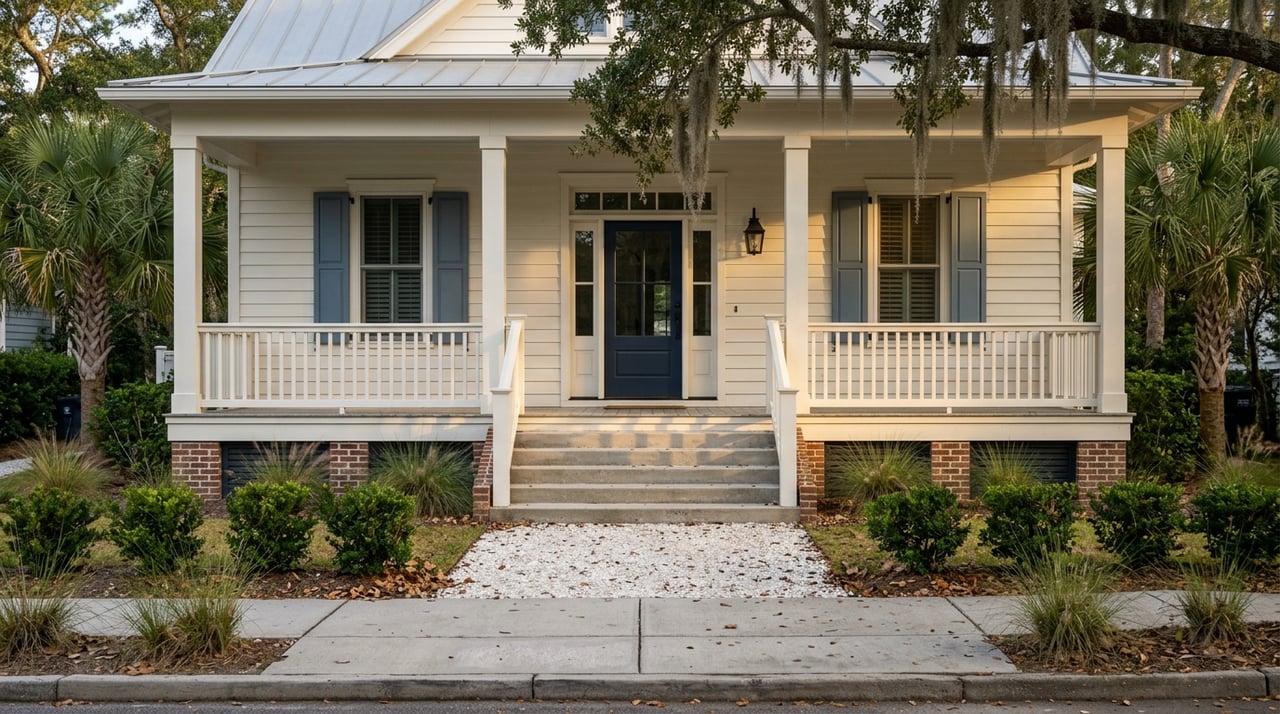
The housing stock around Park Circle is one of the neighborhood’s defining features. North Charleston’s comprehensive plan says most of the surrounding homes date from 1915 to 1940, while newer development since 2000 has expanded around the edges.
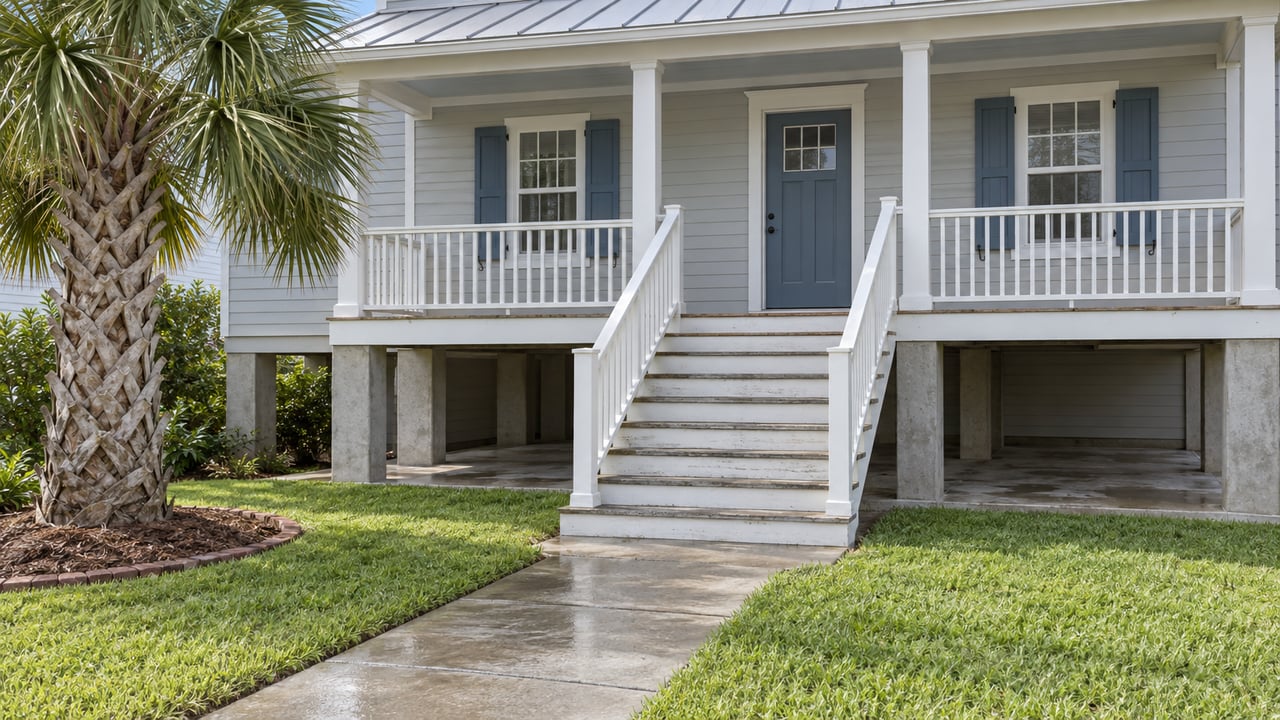
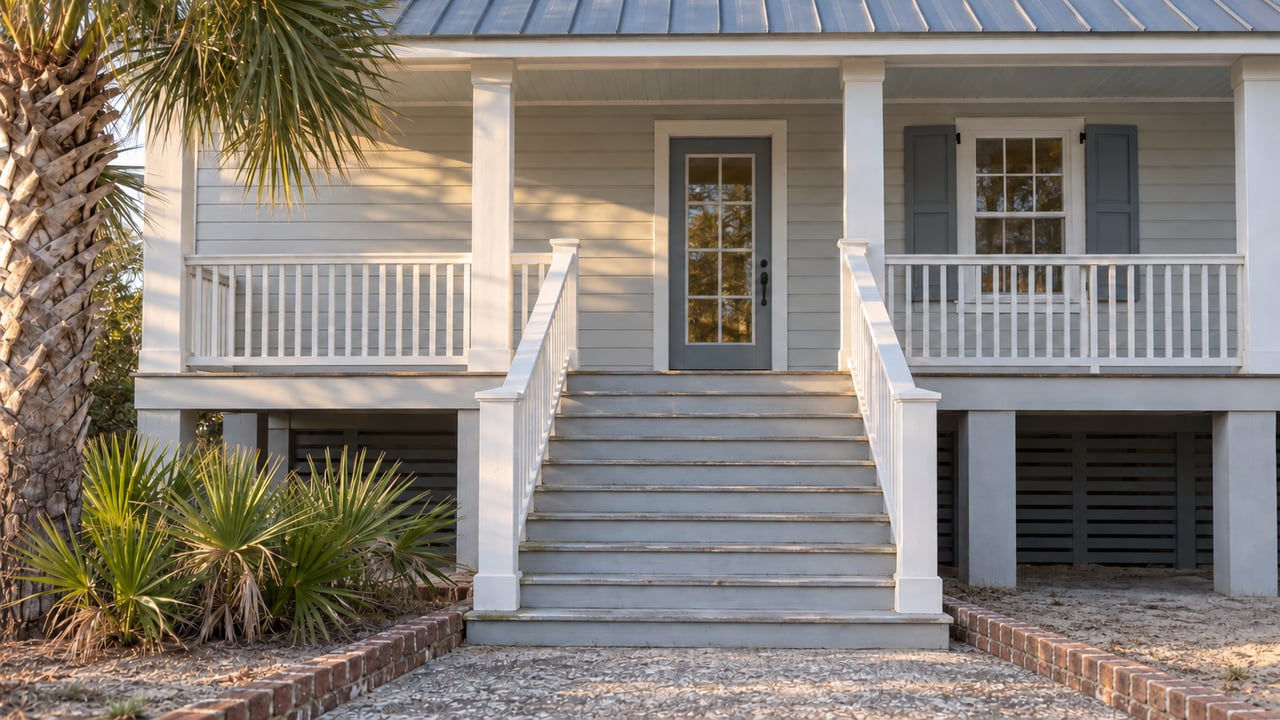
That means you should not expect a uniform subdivision or one-note housing style. Park Circle is better understood as a layered neighborhood with older homes, renovated properties, and newer development all tied to the same central core.
The Streets Feel More Urban
The city’s planning documents describe the surrounding streets as a grid with traditional lot sizes and small front-yard setbacks. Compared with more suburban neighborhoods, that layout tends to feel more connected and more compact.
In day-to-day life, that can translate into shorter walks, closer visual relationships between homes and streets, and a stronger sense that the neighborhood was designed around shared public space. Buyers who want that kind of setting often find Park Circle especially appealing.
Character Over Uniformity
Because many original homes remain intact, the area can feel more established than newer master-planned communities. You may see a wider mix of home ages, updates, and architectural details from one block to the next.
That variety is often part of the draw. It creates a neighborhood experience that feels more organic and less standardized, which many buyers value when they want a home with context and personality.
Who Tends to Like Living Here
Park Circle’s Town Center usually appeals to buyers who want convenience, local character, and regular access to dining, recreation, and events. It can be a strong fit if you value a neighborhood where things are happening and where public spaces are part of daily life.
It may also appeal to relocation buyers who want a more walkable pocket within the Charleston area. If your goal is to be near a compact core with a clear identity, Park Circle offers a lifestyle that feels distinct from many other local neighborhoods.
Is Park Circle the Right Fit?
The simplest way to think about Park Circle is this: it offers a lively neighborhood core with restaurants, breweries, arts spaces, park amenities, and public events close together. That mix gives the area a daily rhythm that feels active, social, and easier to navigate without always getting in the car.
If that sounds like the way you want to live, Park Circle deserves a close look. And if you are comparing Charleston-area neighborhoods, it helps to tour Park Circle with someone who can help you weigh lifestyle fit, housing character, and how close to the center makes the most sense for your goals.
If you are thinking about buying or selling in the Charleston area and want practical guidance on neighborhood fit, local market strategy, and what daily life really looks like block by block, reach out to Sarah Ellen Lacke.
FAQs
What is Park Circle’s Town Center in North Charleston?
- Park Circle’s Town Center generally refers to the neighborhood’s main commercial and civic core around East Montague Avenue, Olde Village, and the central park area in North Charleston.
What is daily life like near Park Circle’s Town Center?
- Daily life near Park Circle’s Town Center often feels walkable, active, and amenity-rich, with restaurants, shops, green space, and recurring community events located close together.
What kinds of amenities are in Park Circle?
- Park Circle includes dining, shops, arts spaces, a community building, the world’s largest inclusive playground, an inclusive baseball field, a farmers market pavilion, open green space, walking trails, and a free disc golf course.
What are homes like around Park Circle’s Town Center?
- Homes around Park Circle’s Town Center include many older properties dating from 1915 to 1940, along with renovated homes and newer development around the edges of the neighborhood.
Is Park Circle more urban or suburban in feel?
- Park Circle generally feels more urban than many suburban-style neighborhoods because of its compact street layout, traditional lot sizes, smaller setbacks, and walkable town-center core.
Does Park Circle host events throughout the year?
- Yes. Official North Charleston tourism materials identify Park Circle as a host site for events such as the North Charleston Arts Festival, St. Patrick’s Day, the Harvest Festival, the Christmas Festival, and the Farmers Market.